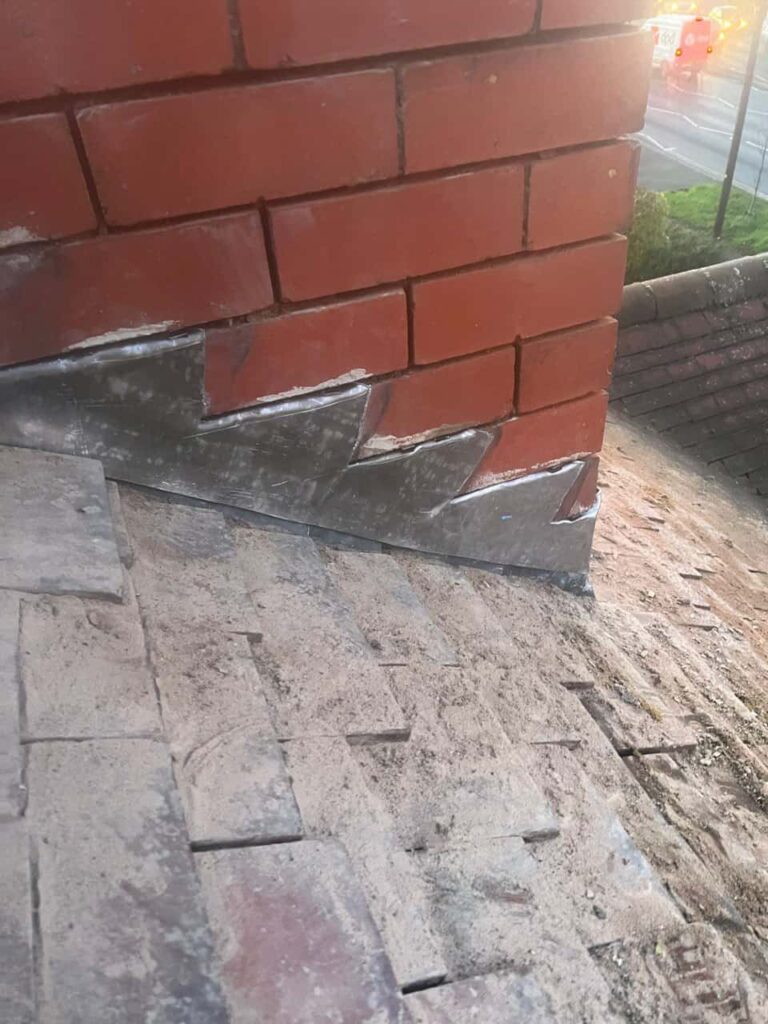
Felt roofing is a popular choice for flat roofs on garages, extensions, sheds and other buildings. When properly installed and maintained, it provides a protective barrier against rain and helps keep the structure beneath dry. However, exposure to changing weather conditions and natural ageing can gradually affect the roofing felt, leading to cracks, leaks and other problems.
For property owners in Brownsover, Warwickshire, recognising early signs of deterioration can help prevent minor defects from developing into more extensive roof damage. Brownsover Roofing Repairs provides professional felt roof repairs to help restore the condition of flat roofs and maintain their weather resistance.
Common Problems That Affect Felt Flat Roofs
Felt roofs can develop several types of damage over time. Understanding the warning signs can help you identify when maintenance or professional repairs may be necessary.
1. Cracked or Split Roofing Felt
Roofing felt can become brittle as it ages and is repeatedly exposed to sunlight and temperature changes. This may cause cracks or splits to develop, weakening the roof’s waterproofing layer.
Even small openings can allow moisture to enter beneath the felt, potentially affecting the roof deck and internal structure. If you notice visible cracks, lifted sections or damaged seams, arrange an inspection before the affected area deteriorates further.
The appropriate repair depends on the extent of the damage and the condition of the surrounding material. Localised repairs may be suitable where the felt remains generally sound, while widespread deterioration may require more extensive work.
2. Water Pooling on the Roof
Flat roofs are usually designed with a slight fall to encourage rainwater to drain away. However, blocked outlets, uneven surfaces or changes in the roof structure can cause water to collect in low areas.
Persistent pooling can place additional stress on the roofing system and may contribute to deterioration, particularly where the felt already has weak points. After rainfall, look for water that remains in the same area rather than draining away as expected.
Clearing accessible debris from drainage points can help maintain water flow, but recurring pooling may indicate an underlying drainage or structural issue. Professional assessment can establish whether repairs or improvements to the roof’s falls are needed.
3. Loose Seams and Lifting Edges
Felt roofing relies on secure joints and well-finished edges to prevent water from getting beneath the covering. Over time, these areas can lift or separate because of weather exposure, ageing materials or installation defects.
Pay particular attention to roof edges, joints and the areas where the felt meets walls or other roof features. Gaps in these locations can allow rainwater to penetrate beneath the surface.
A roofer can assess whether the affected sections can be securely repaired or whether deterioration has spread beyond the visible area.
4. Blistering and Bubbles
Blisters may appear as raised areas beneath the roofing felt. They can develop when air or moisture becomes trapped within the roofing layers, sometimes because of installation issues or changes in the materials over time.
Although a small blister may not immediately cause a leak, it can weaken the felt if the raised area splits or becomes damaged. Avoid puncturing or cutting blisters yourself, as this may compromise the roof’s waterproofing.
Professional inspection can help determine the cause and identify the most suitable repair method.
5. Leaks and Damp Patches Indoors
Water entering through a damaged felt roof may eventually appear as damp patches on ceilings, staining on walls or moisture inside a garage or extension.
The visible signs do not always appear directly beneath the damaged section. Water can travel along the roof deck or supporting materials before becoming noticeable indoors.
If you discover a leak, protect belongings where it is safe to do so and arrange a professional assessment. Identifying the source of the water is essential to achieving a lasting repair rather than simply treating the visible symptoms.
How to Maintain Your Felt Flat Roof
Regular checks can help identify developing problems before they lead to more significant damage. A few straightforward maintenance habits can make a difference to the condition of a felt roof.
- Inspect the roof periodically: Look for cracks, lifted edges, blistering and other visible changes from a safe position.
- Keep drainage points clear: Remove accessible leaves and debris that may obstruct outlets or gutters.
- Check surrounding features: Pay attention to flashing, wall junctions and roof edges, where water can enter if seals or coverings deteriorate.
- Monitor internal areas: New damp patches, peeling finishes or musty smells may indicate water ingress.
- Arrange repairs early: Addressing defects promptly can help prevent moisture from reaching the underlying roof structure.
Avoid walking on a felt roof unless it has been confirmed safe to access. Some flat roofs are not designed to support regular foot traffic, and walking across them can damage the covering or create a safety risk.
When Is Felt Roof Repair or Replacement Necessary?
The right solution depends on the age and overall condition of the roof, the extent of the damage and whether the underlying structure remains sound.
Localised damage may be repairable when the surrounding felt is still in good condition. If several areas are leaking, seams are failing across the roof or the material has become extensively brittle, more comprehensive work may be required.
In some cases, renewing the roofing covering may be more suitable than repeatedly repairing deteriorated sections. A professional inspection can help establish whether targeted repairs, broader refurbishment or replacement is the most practical option for the building.
Why Choose Professional Felt Roof Repairs in Brownsover?
Felt roof repairs require careful attention to the source of the problem, the condition of the existing materials and the way different sections of the roof join together. Simply covering a damaged area may not resolve underlying issues such as trapped moisture, poor drainage or failing seams.
Brownsover Roofing Repairs can assess the condition of your flat roof and recommend suitable repairs based on the damage identified. Professional attention helps ensure that vulnerable areas are addressed properly and that the roof continues to provide effective protection against the weather.
Conclusion
Cracked felt, loose seams, blistering, persistent pooling and indoor damp patches can all indicate that a flat roof needs attention. Regular checks and timely repairs can help maintain the waterproofing layer and reduce the risk of further deterioration.
If your felt roof is showing signs of wear or you have noticed a leak, Brownsover Roofing Repairs can help assess the problem and explain the appropriate next steps. Contact the team to discuss felt roof repairs for your property in Brownsover, Warwickshire.
Call us on: 01788 221797
Click here to find out more about Brownsover Roofing Repairs
Click here to complete our contact form and see how we can help with your roofing needs.