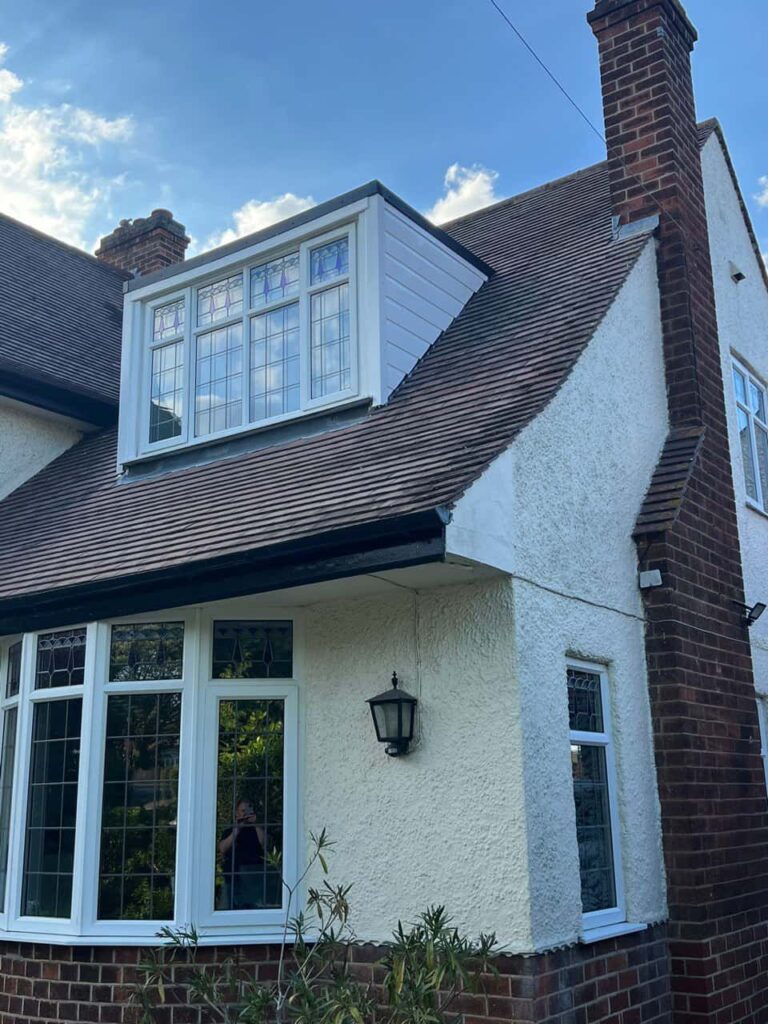
An occasional roofing defect does not necessarily indicate that a roof is reaching the end of its serviceable life. Individual tiles can become damaged, flashing can deteriorate and isolated areas can require attention while the remainder of the roof continues to perform reliably. However, when new problems repeatedly develop in different areas, it can suggest that deterioration is becoming more widespread.
For homeowners in Brownsover, Warwickshire, the decision between further roof repairs and replacement should be based on the overall condition of the roofing system rather than the number of repairs alone. A detailed assessment can determine whether individual defects remain genuinely isolated or whether repeated problems are evidence that the roof is no longer performing consistently.
When Repeated Roof Repairs Can Indicate a Wider Roofing Problem
Roof repairs are most effective when they address clearly defined defects within an otherwise serviceable roof. If one damaged area is repaired and the surrounding materials remain sound, targeted work can restore reliable performance without disturbing sections that do not require attention.
The situation changes when deterioration continues appearing elsewhere. At this stage, looking at the roof as a complete system becomes increasingly important.
Why Do Roofing Problems Keep Returning?
Recurring roofing problems can develop for several reasons.
Sometimes the original source of a leak was not fully identified. In other cases, one repair may have been successful but a separate area subsequently deteriorates. Older roofing materials can also begin reaching a similar stage of wear across multiple sections.
Repeated problems may involve:
- New leaks developing in different locations
- Tiles or slates becoming damaged across several areas
- Recurring deterioration around roof junctions
- Problems appearing close to previous repairs
- Multiple areas of flashing requiring attention
- Increasing movement or displacement of roofing materials
- Several roof components deteriorating at the same time
The pattern of these defects often provides more useful information than any single problem considered on its own.
One Failed Component Is Different From Widespread Deterioration
A roof containing one defective component may still be in very good overall condition.
For example, an isolated damaged tile surrounded by secure roofing materials presents a relatively straightforward situation. The defect can be addressed while retaining the rest of the roof.
If tiles are becoming damaged in numerous areas, however, the issue may relate to the broader condition of the covering rather than individual incidents.
The same principle applies to flashing, junctions and other roofing details. Once deterioration becomes widespread, continuing to view every defect as unrelated can result in an increasingly reactive approach.
Frequent Leaks Deserve a Wider Investigation
Repeated water ingress is one of the strongest reasons to reassess the complete roof.
A leak that returns in exactly the same location may indicate that its original cause has not been fully resolved. Leaks appearing in different parts of the property can suggest that several areas of the roof are becoming vulnerable.
Water can also travel beneath the roof covering before appearing internally, meaning the location of a damp patch does not always identify the point of entry.
A thorough assessment should therefore consider both the visible symptoms and the condition of the external roofing system.
Previous Repairs Can Reveal Useful Information
The condition of earlier repair areas can help determine what is happening.
If previous repairs remain sound while unrelated defects continue developing elsewhere, the problem may be general deterioration across the original roofing materials. In this situation, repeatedly repairing the next weakest area may become less effective as a long-term strategy.
Alternatively, deterioration repeatedly occurring around the same repaired section may suggest that the underlying problem extends beyond the original repair boundary.
Looking at the repair history alongside the present condition of the roof can help identify these patterns.
Roofing Materials Can Deteriorate at Similar Rates
Many components of a roof may have been installed at approximately the same time and exposed to similar conditions throughout their working life.
It is therefore possible for deterioration to begin affecting multiple areas within a relatively short period. One section may show symptoms first, followed by another and then another.
Initially, each problem can appear localised.
As the pattern becomes clearer, however, repeated defects may indicate that larger areas of the roofing system are losing reliability.
This is one reason why the frequency of new problems matters when deciding whether continued repairs remain appropriate.
When Repairs Become Increasingly Extensive
Another important sign is the amount of work required each time a problem develops.
Early repairs may involve one small area. Later work may begin extending across adjoining materials because deterioration is no longer confined to an individual component.
If every new repair requires attention to a larger section, this can indicate that the surrounding roof is becoming progressively less serviceable.
At this point, replacement may deserve consideration because it allows the affected roofing system to be addressed as a whole rather than continuing to deal with expanding areas individually.
The Condition Beneath the Roof Covering Matters
Visible tiles or slates are only one part of the roof.
If repeated defects have allowed water beneath the external covering, underlying materials may also need to be considered. A roof that looks reasonably complete from outside can still contain deterioration that affects its overall reliability.
This does not mean that every recurring leak has caused extensive hidden damage. It means that the condition beneath and around repeatedly affected areas should form part of the assessment.
Replacement becomes more relevant when deterioration is no longer limited to easily repairable surface components.
Multiple Connected Problems Can Change the Decision
A single roof defect can usually be assessed independently. Several connected problems require a different approach.
For example, deterioration of the roof covering combined with weaknesses around junctions and repeated water ingress presents a broader picture than one cracked tile.
Where several elements are no longer performing reliably, repairing each one separately may not restore consistent performance across the roof.
Considering how the different components interact helps determine whether continued repairs remain sensible.
Roof Age Alone Should Not Determine Replacement
An older roof does not automatically need replacing.
Some roofs continue performing effectively for many years with occasional appropriate maintenance. Equally, replacement should not be ruled out simply because individual defects still appear repairable.
Condition is more important than age alone.
The frequency of problems, extent of deterioration, performance of previous repairs and condition of surrounding materials all provide stronger evidence when deciding what the roof needs.
When Is Another Repair Still Sensible?
Even a roof with a history of previous work may still be suitable for further targeted repair.
This can be the case where:
- The new defect is clearly isolated
- Previous repairs remain stable
- The surrounding roof covering remains serviceable
- There is no pattern of widespread deterioration
- The underlying materials remain in suitable condition
- The cause of the problem can be clearly identified and addressed
A professional assessment is valuable because it prevents replacement from being recommended simply because the roof has needed repairs before.
The objective should always be to carry out work that is proportionate to the actual condition of the roof.
When Should Roof Replacement Be Considered?
Replacement becomes more relevant when repeated problems demonstrate that the roofing system is no longer performing consistently.
Signs that warrant a broader discussion can include:
- New defects continually appearing in different sections
- Increasingly frequent water ingress
- Widespread deterioration of the roof covering
- Multiple roof details requiring substantial attention
- Repairs becoming progressively larger
- Similar problems developing across adjoining areas
- Previous targeted work no longer improving overall reliability
No single sign automatically determines that replacement is required. The importance lies in the overall pattern.
Replacement Can Address Problems as One System
The main advantage of considering replacement when deterioration is widespread is that the roof can be approached as a complete system.
Repeated repairs focus on individual defects. Replacement provides an opportunity to address broader deterioration and create consistent performance across the affected roof area.
This can be particularly relevant when otherwise successful repairs are continually followed by unrelated failures elsewhere.
Rather than asking whether the newest defect can technically be repaired, the more useful question becomes whether another individual repair represents the most appropriate long-term approach.
Why Professional Roof Assessment Matters
It is not always easy for a homeowner to determine whether repeated problems are connected.
A roof can contain numerous repairs and still remain fundamentally sound. Conversely, several apparently minor defects can sometimes reveal that deterioration has become much more widespread.
At Brownsover Roofing Repairs, we assess the condition of existing repairs, surrounding roofing materials and the wider roof before recommending the appropriate course of action. This helps establish whether targeted repair remains worthwhile or whether replacement should be considered because the roof is no longer providing consistent performance.
Avoid Making the Decision Based on One Recent Problem
The latest leak or damaged section can understandably become the immediate concern, but it should be considered within the roof’s wider history.
If the roof has otherwise been dependable, an isolated new defect may simply require repair. If it follows a long sequence of different problems, it may provide further evidence of general deterioration.
Looking at the pattern over time creates a much clearer basis for making a sensible decision.
For homeowners in Brownsover, this approach can help avoid both premature replacement and an endless cycle of repairs that no longer address the overall condition.
The Goal Should Be Reliable Long-Term Performance
Whether a roof is repaired or replaced, the objective should be to restore dependable protection for the property.
Continuing with individual repairs makes sense while they successfully maintain a fundamentally sound roofing system. Replacement becomes worth considering when repairs increasingly deal with symptoms of broader deterioration rather than occasional isolated defects.
The right decision comes from understanding where the roof is in this progression.
Conclusion
Repeated roofing problems can point towards the need for replacement when they show that deterioration is no longer confined to individual areas. Frequent leaks, defects appearing in different locations, increasingly extensive repairs and widespread deterioration can all indicate that the roof should be assessed as a complete system.
However, a history of repairs does not automatically mean replacement is necessary. If defects remain localised and the wider roof is still serviceable, further targeted repairs may continue to be appropriate.
If your roof in Brownsover, Warwickshire is developing repeated problems and you are unsure whether further repairs remain the right approach, contact Brownsover Roofing Repairs. We can assess the existing roof, previous repair areas and overall pattern of deterioration to recommend a suitable way forward without unnecessary work.
Call us on: 01788 221797
Click here to find out more about Brownsover Roofing Repairs
Click here to complete our contact form and see how we can help with your roofing needs.