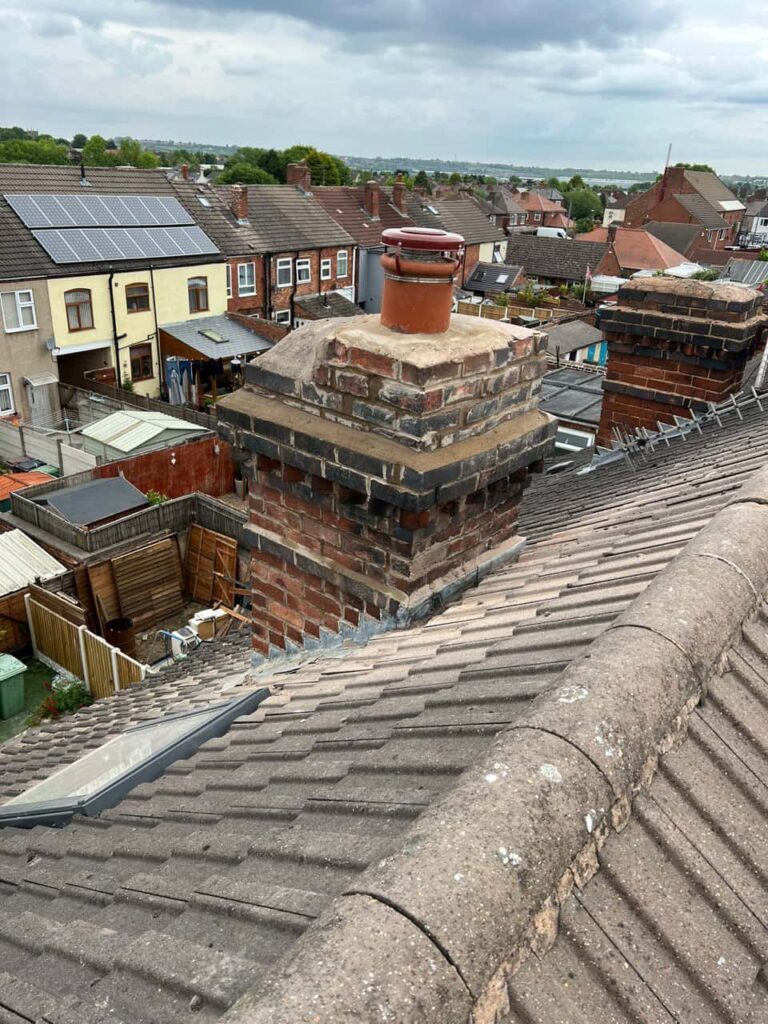
Roof tiles are designed to provide a protective barrier against rain, wind and other weather conditions. However, tiles can sometimes move, slip out of position or become damaged, leaving vulnerable areas of the roof exposed. Even a single displaced tile can create an opportunity for water to enter beneath the roof covering.
For homeowners in Brownsover, Warwickshire, understanding why roof tiles move and recognising the signs of damage can help ensure problems are dealt with before they become more extensive. Professional slipped tile repairs can restore the affected area and help maintain the integrity of the roof.
What Is a Slipped Roof Tile?
A slipped roof tile is one that has moved from its original position. It may have shifted slightly, dropped down the roof slope or become completely detached.
The extent of movement can vary. A tile that appears only slightly out of alignment may still leave gaps beneath the covering, while a missing tile can expose the underlay and roof structure directly to the elements.
What Causes Roof Tiles to Move?
Several factors can cause roof tiles to become displaced. Strong winds can lift or move tiles, particularly where fixings have deteriorated or a tile was not secured adequately.
Age can also contribute to movement. Fixings may weaken over time, while mortar bedding around certain roof tiles can crack or deteriorate. Repeated exposure to changing weather conditions can gradually affect both tiles and their supporting materials.
Damaged or Deteriorated Tile Fixings
Many roofs rely on mechanical fixings or other methods to keep tiles securely positioned. If these fixings become damaged, corroded or loose, tiles may begin to move.
A professional inspection can determine whether the issue is limited to one tile or whether several fixings across the roof have deteriorated.
Signs That a Roof Tile Has Slipped
Some displaced tiles are easy to identify from ground level, while others may be hidden from view. Common signs include:
- Tiles that appear uneven or out of alignment
- Visible gaps in the roof covering
- Tiles sitting lower than surrounding rows
- Broken or cracked tiles
- Damp patches in the loft
- Water staining on ceilings or walls
- Daylight visible through gaps in the roof
Internal signs of water ingress should not be ignored, particularly following periods of heavy rainfall.
Why Slipped Tiles Can Cause Roof Leaks
Roof tiles work together to shed rainwater down the roof slope. When one tile moves, the overlapping arrangement can be disrupted, creating a route for water to reach the layers underneath.
Water may not appear inside the property directly below the displaced tile. It can travel along the underlay, timbers or other parts of the roof structure before becoming visible.
This means that a small-looking external defect can sometimes have a wider impact.
How Are Slipped Tiles Repaired?
The appropriate repair depends on why the tile has moved and whether the tile itself remains in good condition.
Where the tile is undamaged, it may be possible to reposition and secure it correctly. If the tile is cracked or broken, replacement may be necessary. The surrounding tiles and fixings should also be checked to determine whether there are additional weaknesses.
Simply moving a tile back into place without addressing the cause may allow the same problem to occur again.
When Should a Slipped Tile Be Replaced?
A damaged tile should generally be assessed rather than reused without inspection. Cracks, breaks or significant deterioration can prevent the tile from providing effective protection.
Matching the replacement tile appropriately is also important for maintaining the correct overlap and ensuring it sits securely within the existing roof covering.
Why Professional Repairs Matter
Roof repairs require more than simply replacing visible materials. The condition of the surrounding roof needs to be considered to establish why the tile moved in the first place.
Professional assessment can identify damaged fixings, deteriorated mortar, broken tiles or other contributing factors. It also avoids the need for homeowners to climb onto the roof themselves, which can be hazardous.
Preventing Future Tile Movement
Regular roof inspections can help identify loose or damaged tiles before they become a source of water ingress. It is particularly useful to check the roof following severe weather or when there are signs of dampness inside the property.
Keeping an eye on the condition of roof tiles, ridges, verges and flashing can also help identify developing problems that may require professional attention.
Professional Slipped Tile Repairs in Brownsover
If you have noticed a slipped or damaged roof tile at your property in Brownsover, professional assessment can help establish the cause and the appropriate repair.
Brownsover Roofing Repairs can inspect the affected area, assess surrounding tiles and fixings, and carry out suitable repairs to help restore the roof’s protective covering.
Conclusion
Roof tiles can move because of strong winds, deteriorating fixings, ageing materials, damaged tiles or problems with the surrounding roof structure. Although a single slipped tile may appear minor, it can create a route for rainwater to enter beneath the roof covering.
If you have noticed slipped, missing or damaged tiles at your property in Brownsover, Warwickshire, contact Brownsover Roofing Repairs to arrange a professional assessment and discuss the appropriate roof repair.
Call us on: 01788 221797
Click here to find out more about Brownsover Roofing Repairs
Click here to complete our contact form and see how we can help with your roofing needs.